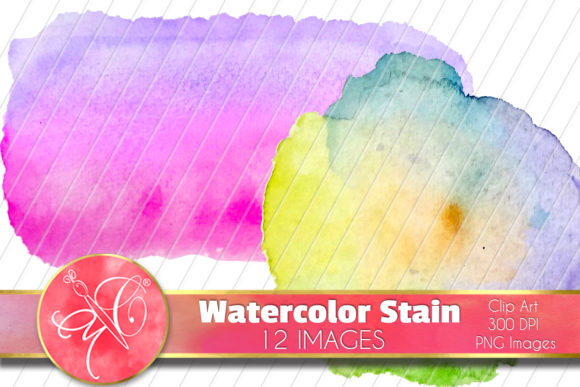
Watercolor Stains Clip Art: A Designer Review
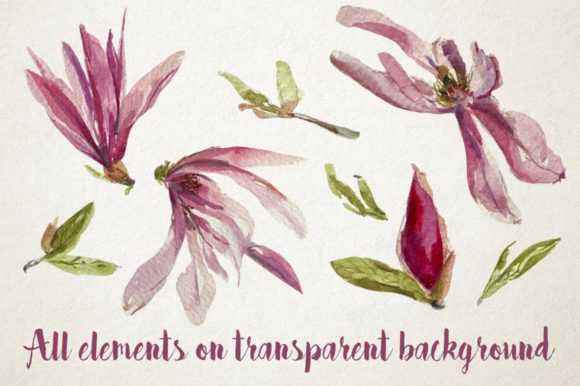
As a designer who has spent years translating digital art into tangible thread, I approach every new asset with a critical eye. When I first opened the Watercolor Stains Clip Art, 12 Images pack, my initial reaction was one of cautious curiosity. The category is listed under Illustrations, which immediately tells me these are artistic shapes rather than traditional vector outlines or pre-digitized patterns. The mood they create is organic, fluid, and slightly imperfect in the most charming way possible. They feel like spilled paint on canvas, capturing that raw, creative energy that many modern crafters are chasing for their handmade products.
The First Impression: Organic Shapes Meets Thread
Visually, these designs offer a distinct personality. Unlike rigid geometric embroidery patterns, the watercolor stains have soft, bleeding edges and irregular contours. In a digital format, this looks beautiful. However, as an experienced embroiderer, I immediately start thinking about how those soft gradients translate to stitch density and thread colors. The layout of the twelve images suggests a versatile collection suitable for background accents, corner embellishments, or standalone motifs. They do not scream "logo" or "text," but rather whisper "artistic flair."
For a small business owner looking to elevate their brand, these assets offer a chance to move away from the standard clip art found on every generic Etsy listing. The visual appeal lies in their abstraction. If you are creating a boutique product line where uniqueness is key, these illustrations provide a texture that feels hand-painted, even when stitched by machine.
A Real-World Test: The Custom Tote Bag Project
To truly evaluate the utility of Watercolor Stains Clip Art, 12 Images, let's walk through a real-life scenario. Imagine I am preparing a custom embroidered tote bag for a local art gallery opening. The client wants something that feels modern, bohemian, and slightly edgy. I decide to use two of the larger stain designs from the pack, placing them diagonally across the canvas of the tote.
In this context, the design shines. Because the shapes are abstract, they do not require perfect symmetry. This is a huge advantage for custom apparel where fabric distortion can sometimes ruin precise lettering or detailed faces. The watercolor aesthetic forgives slight imperfections in the stitching process. I envision using a mix of pastel thread colors—soft pinks, muted blues, and earthy sages—to mimic the look of actual watercolor paint. By adjusting the fill stitch settings to be slightly looser, I can achieve a textured look that resembles brush strokes rather than a solid block of color.
When I present the finished product to the client, the reaction is positive. The tote bag feels less like a promotional item and more like a piece of wearable art. This is exactly what elevates a simple tote bag design into a high-value handmade product. The customer perceives higher quality because the design requires a thoughtful approach to color selection and placement, signaling that care went into the creation.
Navigating Challenges: Fabric and Density Considerations
However, practical design judgment means acknowledging where these assets might struggle. While the organic nature of the stains is beneficial, it presents challenges regarding hoop size and fabric texture. If you attempt to stitch these intricate, flowing edges onto a stretchy fabric like jersey knit without proper support, the result could be puckered or distorted. The irregular shapes demand a stable foundation.
I strongly advise testing the design on scrap fabric first. Check the thread color contrast against your chosen material. On dark fabrics, the light, airy feel of a watercolor stain might get lost if the stitch density isn't high enough to cover the background. Conversely, on very thin fabrics, a dense fill might make the material stiff and uncomfortable to wear. For items like baby clothes or delicate tea towels, you must ensure the back of the embroidery does not irritate the skin. Using a tear-away or cut-away stabilizer appropriate for the weight of the fabric is non-negotiable here.
Furthermore, avoid using these complex shapes for tiny applications, such as on the brim of a cap or as a small accent on a buttonhole. The delicate details of the watercolor edges rely on space to breathe. If you shrink the design too much, the software may simplify the curves into jagged lines, ruining the intended artistic effect. These designs belong on larger surfaces where the flow of the shape can be appreciated.
Commercial Viability and Brand Consistency
For the Etsy seller or digital product seller looking to expand their catalog, Watercolor Stains Clip Art, 12 Images offers significant potential for creating cohesive collections. You could use different stains from the set to create a matching series of pillow covers, aprons, and holiday gifts. This consistency builds brand recognition. Customers who love one item are more likely to purchase another if the visual language remains consistent across your shop.
However, before selling any finished product or offering these as part of a commercial embroidery service, you must confirm the licensing terms. Just because you purchased the file does not automatically grant you the right to sell physical goods made from it, especially if the license restricts commercial use. Always review the terms provided by the creator. Additionally, consider creating printable mockups to showcase how the design looks in various contexts before committing to production. This helps manage customer expectations and reduces returns.
Final Verdict for the Modern Maker
In conclusion, Watercolor Stains Clip Art, 12 Images is a powerful tool for designers willing to put in the extra effort to adapt digital art for thread. It is not a plug-and-play solution for beginners who want instant results without tweaking settings. But for the experienced maker, the craft business owner, or the hobbyist looking to add a unique touch to their work, these illustrations offer a fresh alternative to traditional embroidery patterns.
They excel in projects where texture and mood matter more than precision. Whether you are making a personalized gift for a friend, stocking shelves for your small shop, or fulfilling a large order for a boutique, these designs can add that essential layer of sophistication. Just remember to respect the limitations of your materials, test your stitches, and always prioritize the final look over speed. With careful execution, these watercolor stains can transform a simple garment into a standout piece that customers will cherish.