Watercolor Crystals: A Designer's Real-World Review
As a designer who has spent years translating digital files into tangible thread, I approach every new machine embroidery design with a mix of excitement and skepticism. The gap between a beautiful screen image and a stitched reality is where many projects fail. Today, I am putting Watercolor Crystals through that exact filter. This piece falls under the Illustrations category, promising a soft, artistic aesthetic that many crafters crave for their handmade lines. But does it hold up when you actually hoist it onto a hoop and pull the needle down? Let's dive into how this embroidery file performs in real-world scenarios.
The First Impression: Mood and Visual Personality
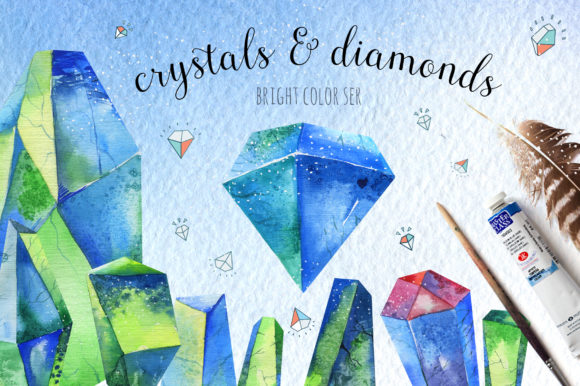
When I first opened the preview for Watercolor Crystals, the immediate reaction was one of calm sophistication. Unlike rigid geometric patterns or overly cartoonish motifs, this design captures the fluidity of watercolor paint. The shapes suggest natural crystal formations but soften them with blended edges and translucent tones. For an Etsy seller or boutique owner looking to elevate their brand away from generic clip art, this visual personality is a strong asset. It feels modern yet timeless, suitable for a wide range of handmade products.
The layout is balanced, avoiding the trap of being too top-heavy or bottom-heavy. However, the "watercolor" effect relies heavily on specific thread colors and stitch techniques to achieve that gradient look. If you are planning a personalized gift or a high-end custom apparel item, the mood this design sets is crucial. It whispers elegance rather than shouting for attention, making it perfect for items where subtlety sells.
Real-Life Application: From Tote Bags to Nursery Decor
To truly understand the value of Watercolor Crystals, I imagined integrating it into a few specific product lines. Picture a sturdy canvas tote bag intended for a local farmer's market or a craft fair. Placing this design on the front pocket creates an instant focal point. The organic shapes contrast beautifully with the rough texture of the canvas, giving the tote bag design an artisanal feel that customers are willing to pay a premium for.
I also considered its use in baby embroidery. A soft cotton onesie or a plush pillow cover would benefit immensely from the gentle nature of these crystals. Parents often look for nursery decor that isn't too loud; this design fits that niche perfectly. It could serve as a centerpiece on a pillow cover or a delicate accent on a receiving blanket. In these contexts, the design adds a layer of thoughtfulness to the finished product, signaling to the buyer that care went into the selection of the motif.
For the small shop product line, think about holiday gifts. A linen tea towel featuring Watercolor Crystals in muted winter tones would make a sophisticated hostess gift. Alternatively, using it on a denim jacket or a heavy cotton sweatshirt transforms basic sweatshirt embroidery into a fashion statement. The versatility here is key for a craft business trying to maximize the utility of a single digital embroidery file across different seasons and inventory types.
Navigating Challenges: Where Caution is Needed
While the potential is high, experienced designers know that no embroidery project is without its pitfalls. The watercolor effect in Watercolor Crystals likely relies on a combination of fill stitch and perhaps some running stitch details to mimic brush strokes. This presents challenges on certain fabrics. On thin or stretchy materials like jersey knit, the density required to create those gradients might cause puckering. You must be extremely careful with your stabilizer choice here; a cut-away stabilizer is non-negotiable for knits to prevent the fabric from warping.
Another area requiring attention is the hoop size. If you attempt to shrink this design significantly for a small cap or a tiny patch, the delicate transitions between colors may blur. The intricate details that give the crystals their character could turn into muddy blobs if the stitch density becomes too tight for the reduced scale. Similarly, on dark fabrics, achieving that translucent, watercolor look is difficult without significant adjustments to the thread palette. You cannot simply rely on the default settings; you will need to test how the thread colors pop against black or navy backgrounds.
Textured fabrics like fleece or thick wool can also interfere with the clarity of the design. The nap of the fabric might obscure the fine details of the crystal edges. If you are producing an embroidered patch for a backpack or hat, ensure the backing material is smooth enough to support the design's integrity. Frequent washing is another factor; designs with high density in open areas can sometimes snag or fray over time if not locked down properly during digitizing.
Practical Notes for Professional Execution
Before committing Watercolor Crystals to a client order or a bulk run, follow these professional protocols. First, always test the design on scrap fabric that matches your final production material. Check the stitch density to ensure there are no gaps in the fill or excessive buildup of thread. Inspect the small details closely; do the crystal points remain sharp, or do they lose definition?
Create a printable mockup to visualize the placement on your specific product. Compare how the design looks on light versus dark fabric backgrounds. Sometimes, what looks vibrant on a white screen appears washed out on beige linen. Also, verify the licensing terms. As a commercial embroidery provider or digital product seller, you must confirm whether you are allowed to sell the finished items or if the license restricts you to personal use only.
Finally, consider the overall presentation. Does Watercolor Crystals align with your brand consistency? Does it enhance the perceived value of the item? When executed correctly, this design elevates a simple garment into a piece of wearable art. It builds customer trust by showing attention to detail and quality. By treating this embroidery file with the respect it deserves—testing thoroughly and choosing the right materials—you can create design assets that stand out in a crowded marketplace.
In conclusion, Watercolor Crystals is a powerful tool for the creative entrepreneur. It offers a unique aesthetic that bridges the gap between illustration and textile art. While it requires a skilled hand to manage the nuances of thread color and fabric interaction, the result is a finished product that feels special, professional, and undeniably handmade.