Watercolor Magnolia Clip Art Pattern Review
As a graphic designer who has spent years navigating the delicate balance between artistic flair and commercial viability, I approach every new graphic design asset with a critical eye. Recently, while preparing a visual concept for a boutique skincare line targeting the handmade market, I came across the Watercolor Magnolia Clip Art Pattern. The brief was specific: the client needed a brand identity that felt organic, soft, and trustworthy, yet polished enough for premium packaging. This is where my evaluation of this specific set of Illustrations began.
First Impressions: Mood and Aesthetic Potential
The moment I opened the files, the immediate mood was one of gentle sophistication. Watercolor textures have a unique ability to convey humanity in a digital space, and these magnolias capture that perfectly. Unlike flat vector art which can sometimes feel sterile, the Watercolor Magnolia Clip Art Pattern offers depth through its brush strokes and color bleeding. For a small business branding project, especially one rooted in natural ingredients or artisanal goods, this style instantly communicates "handmade" without requiring the time-consuming process of painting from scratch.
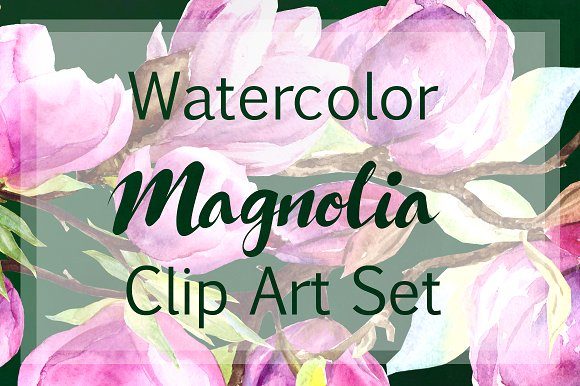
The color palette within the pattern leans towards soft pinks, creamy whites, and muted greens, creating a visual language that is inherently calming. This makes it an excellent candidate for brand identity work where emotional appeal is just as important as visual hierarchy. It feels less like a generic stock image and more like a curated piece of creative design ready to be integrated into a larger narrative.
Performance in Real-World Client Projects
In my workflow, I rarely judge an asset on how it looks in isolation; I judge it on how it performs under pressure in real design situations. When I placed the Watercolor Magnolia Clip Art Pattern onto a series of product mockups for the skincare client, the results were promising. On packaging design, specifically for labels and box wraps, the pattern added a layer of texture that elevated the perceived value of the product. It transformed a simple white bottle into something that looked boutique and high-end.
I also tested these assets for social media graphics. In the fast-paced world of Instagram and Pinterest, visuals need to stop the scroll. Using the magnolia elements as framing devices for promotional posts created a cohesive look that stood out against the typical grid of flat photography. For print-on-demand sellers looking to create a seasonal collection, these illustrations work beautifully on tote bags, mugs, and even t-shirt design layouts, provided the placement allows the watercolor details to breathe.
Furthermore, for bloggers and publishers working on editorial design, this pattern serves as an excellent chapter divider or background element for feature articles about spring, beauty, or wellness. It adds a decorative touch that supports the content without overwhelming the text, a crucial factor in maintaining readability.
Strategic Applications: Where It Shines
There are specific areas where the Watercolor Magnolia Clip Art Pattern truly excels. Large layout areas, such as hero graphics for a website or full-page backgrounds for invitations, allow the intricate details of the watercolor blooms to be appreciated. In these contexts, the asset acts as a powerful atmospheric tool, setting the tone immediately upon entry.
It is also highly effective for Canva templates aimed at life coaches, wedding planners, or event organizers. By incorporating these elements into template designs, you provide users with a professional starting point that feels bespoke. Additionally, for Cricut projects and sticker design, the distinct outlines of the magnolias (if available in the SVG version) make them easy to cut and apply, adding a tactile dimension to digital creations.
For those selling on Etsy or running a handmade business, this asset fits seamlessly into a design bundle meant for printable wall art or greeting cards. The romantic yet modern aesthetic appeals directly to demographics looking for home decor that feels personal and warm.
Design Caveats: Where Caution is Required
While versatile, no digital product is a magic bullet for every scenario. As a professional, I must advise caution when using the Watercolor Magnolia Clip Art Pattern in small sizes. The subtle gradients and soft edges of watercolor art can get lost when scaled down for favicons or tiny social media profile pictures. Similarly, in crowded layouts where multiple visual elements compete for attention, this pattern might add too much noise, disrupting the visual hierarchy.
It is also vital to consider the context of the brand. If you are designing for a corporate law firm, a tech startup, or any entity requiring a stark, minimalist, or ultra-modern look, this asset may feel out of place. It carries a specific emotional weight—softness and nature—that contradicts the hard lines of industrial or corporate design. Always ensure the asset aligns with the core values of the client before committing to it.
Practical Designer Notes and Technical Checks
Before finalizing any commercial design project, I perform a rigorous technical check. First, I always test the Watercolor Magnolia Clip Art Pattern in black and white to ensure the contrast holds up if the client decides to print on monochrome materials. Next, I preview the asset on both light and dark backgrounds. Watercolors often rely on white space; placing them on a dark background can mute their vibrancy unless the file includes proper transparency adjustments.
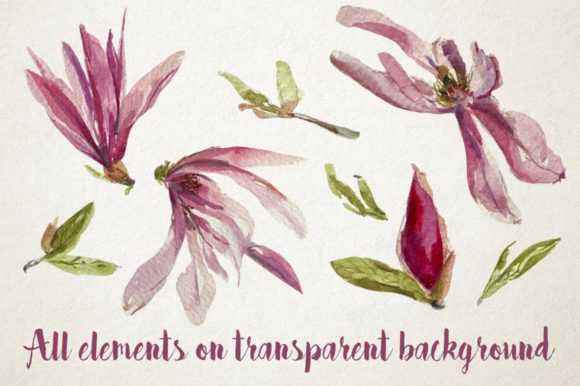
File format is another critical consideration. If the package includes PNG design files with transparent backgrounds, they are ideal for overlaying on photos or complex textures. However, for scalability, checking for SVG design or vector editability is essential. Vectors allow you to resize the magnolias for anything from a business card to a billboard without losing quality. If only raster images are provided, you must inspect the resolution carefully to avoid pixelation in large-format prints.
Typography pairing is equally important. These floral illustrations pair naturally with script font styles for a romantic feel or a clean sans serif font for a modern twist. Avoid heavy display font styles that might clash with the delicate nature of the flowers. Finally, never skip the licensing review. Confirm the commercial license terms explicitly state that the asset can be used for client work, marketing visuals, and resale items like Etsy products. Understanding the boundaries of the license protects your business and ensures you remain compliant.
Final Verdict for Professional Use
After thorough testing and integration into a real-world concept, the Watercolor Magnolia Clip Art Pattern proves to be a valuable addition to a designer's toolkit. It bridges the gap between hand-painted authenticity and digital efficiency. For designers, brand owners, and creators looking to inject warmth and elegance into their projects, this set of Illustrations offers a reliable solution. Whether used for product mockups, web design accents, or printable design collections, it enhances the overall impression of professionalism and care. Just remember to use it where its soft aesthetic shines brightest, and always verify the technical specs before going to press.