Review: 16 Watercolor Poppies Clip Art for Embroidery
As a designer who has spent years translating digital files into physical thread, I approach every new asset with a mix of excitement and skepticism. When I first opened the 16 Watercolor Poppies Clip Art file, my initial reaction was one of aesthetic delight. The soft gradients and organic shapes scream "spring," but the real question for us in this industry is always the same: how does this translate from a pixel-perfect screen to a textured fabric under the pressure of an embroidery machine? This collection falls under the broad category of Illustrations, which often means we are dealing with artistic nuance rather than bold, graphic lines. Let's dive into what happens when you actually try to stitch these flowers.
The First Impression: Mood and Visual Personality
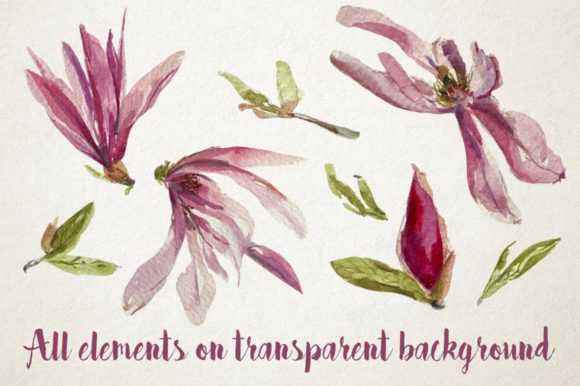
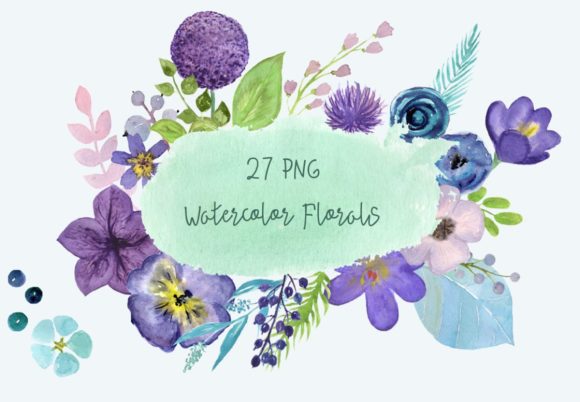
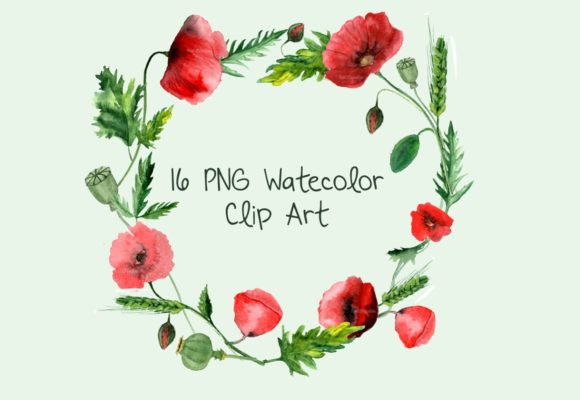
The 16 Watercolor Poppies Clip Art set captures a specific, dreamy mood that is currently very popular in the handmade market. These aren't rigid, vector-style flowers; they have that bleeding edge look that mimics wet-on-wet watercolor painting. For a craft business owner or an Etsy seller looking to elevate their brand, this visual personality is gold. It suggests softness, femininity, and a touch of rustic charm. However, that same softness is exactly where the challenge lies. In a machine embroidery design, we rely on defined edges to guide the needle. When a design relies on fading colors and blurred boundaries, the machine has to work harder to simulate that effect without creating a muddy mess.
I immediately thought about how these would look on a custom tote bag or a linen apron. The layout of the poppies feels natural, as if they were scattered by the wind, which is perfect for a corner accent on a sweatshirt or a central motif on a pillow cover. But before I committed to a project, I had to mentally walk through the stitching process. Would the delicate petals hold up? Would the color transitions look intentional or just like a mistake?
Real-World Application: From File to Finished Product
Imagine you are preparing a line of holiday gifts or boutique merchandise for a spring launch. You want to create a personalized gift that feels unique, not mass-produced. Using the 16 Watercolor Poppies Clip Art on a high-quality cotton tote bag could be a game-changer. The key here is understanding that these are likely best suited for a fill stitch technique rather than heavy satin borders. If you try to outline every petal with thick satin stitch, you lose the watercolor vibe entirely. Instead, using varying densities of fill stitch can mimic the wash of paint.
For a small shop product like a baby onesie or nursery decor, the soft nature of these poppies is ideal. Baby embroidery requires designs that won't scratch sensitive skin, and the gentle curves of these flowers avoid sharp points. However, I would advise caution with stretchy fabrics. If you are doing sweatshirt embroidery on a knit blend, the tension required to pull those fine details might cause the fabric to pucker. A proper stabilizer is non-negotiable here. You need something tear-away or cut-away that provides enough backing support so the design doesn't distort when the fabric stretches.
Consider also the application on an embroidered patch. While patches usually demand bold outlines, these poppies could work beautifully as a felt-backed applique design where the watercolor effect is achieved through layering different shades of felt or fabric scraps, then securing them with a running stitch border. This hybrid approach allows you to keep the artistic integrity of the 16 Watercolor Poppies Clip Art while ensuring durability.
Navigating the Technical Challenges
Let's talk about where things can go wrong. Small hoop sizes are a major concern with this type of illustration. If you try to cram one of these detailed poppies into a 4x4 inch hoop, the stitch density might become too high, leading to thread breakage or a stiff, plastic-like feel on the finished product. Always check the recommended hoop size before starting. If the design is too large for your machine, scaling it down too much will result in lost detail and potentially unrecognizable petals.
Fabric texture is another critical factor. On a smooth cotton or silk blend, the 16 Watercolor Poppies Clip Art will shine. But on a heavily textured canvas or a nubby wool, the fine details of the watercolor edges might get lost in the weave. The thread colors need to contrast well with the background, but since watercolors rely on blending, you might find yourself needing more thread cones than usual to achieve those subtle shifts from deep red to pale pink.
Dark fabrics present a unique challenge. To make light watercolor effects pop on black denim or navy twill, you will almost certainly need a white underlay. Without it, the pastel tones of the poppies will disappear into the dark background. This adds time to the production process, which impacts your pricing for commercial embroidery projects. You must account for the extra steps when calculating the cost of your handmade products.
Practical Designer Notes for Success
If you decide to move forward with this digital embroidery file, here is my professional advice based on years of trial and error:
- Test on Scrap Fabric First: Never skip this step. Stitch out one poppy on the exact fabric you plan to use. Check the stitch density and see if the colors blend as expected.
- Check Thread Color Contrast: Ensure your chosen thread palette complements the base fabric. Sometimes a slight shift in hue makes all the difference in readability.
- Inspect Small Details: Look closely at the center of the flower and the tips of the petals. Are there tiny gaps that will let the fabric show through? Adjust your settings if necessary.
- Use Proper Stabilizer: Don't skimp here. A good stabilizer prevents shifting and ensures the final embroidery looks crisp, even on complex designs.
- Test in Black and White Mockups: Before committing to expensive threads, view your design in grayscale. This helps you spot areas where the value contrast might be too low.
- Verify Licensing: As a creative entrepreneur, you must confirm whether you are allowed to sell finished items made with these assets. Check the license terms for the 16 Watercolor Poppies Clip Art to ensure you can legally use them for your craft business or Etsy listings.
Final Thoughts on Value and Appeal
Ultimately, the 16 Watercolor Poppies Clip Art offers a distinct advantage for designers looking to stand out in a crowded market. Most embroidery trends lean toward bold, geometric, or retro styles. Introducing a soft, painterly element like these poppies can significantly boost buyer engagement and perceived value. It signals to the customer that this is a thoughtful, artistic piece, not just a generic logo stamped on a shirt.
However, success depends on execution. If you rush the setup or ignore the nuances of stitch density and fabric choice, the result may look messy. But if you take the time to respect the design's artistic roots and adapt your embroidery techniques accordingly, you can create stunning custom apparel, personalized gifts, and small shop products that customers will love. Whether you are making a single holiday gift or launching a full line of boutique branding, these illustrations have the potential to add a beautiful, professional touch to your portfolio—provided you treat them with the care they deserve.