Watercolor Kitten Yarns: A Designer's Review
As a designer who has spent years curating assets for both personal craft projects and commercial small businesses, I approach every new machine embroidery design with a critical eye. The market is flooded with generic clip art that looks fine on a screen but falls apart under the needle. When I first encountered Watercolor Kitten Yarns, I was immediately drawn to its soft aesthetic, but my real question was whether it would translate well into a tangible finished product. This review breaks down how this specific embroidery file performs in the real world, moving beyond the digital preview to the actual stitch.
The Visual Mood and Design Intent
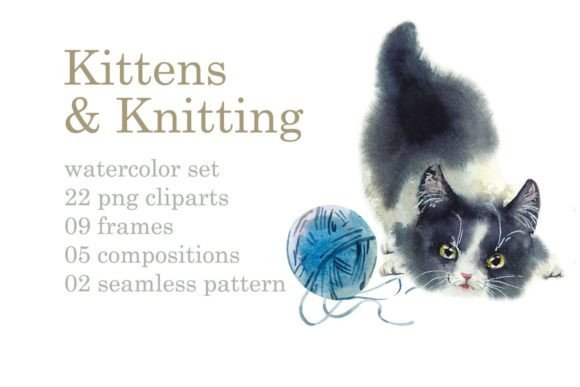
The first impression of Watercolor Kitten Yarns is one of gentle nostalgia. Unlike rigid vector graphics that often look stiff when stitched, this design leans heavily into the fluid nature of watercolor painting. The edges are intentionally soft, and the color blending suggests a hand-painted quality. In the context of Illustrations, this is a strong contender for brands targeting parents, nurseries, or boutique gift shops. However, achieving that "painterly" look in thread requires careful planning. The design relies on subtle gradients rather than hard outlines, which means the success of the project hinges entirely on your choice of thread colors and the precision of the fill stitch.
I visualized this design immediately on a heavy cotton tote bag or a flannel baby blanket. The whimsical nature of the kitten makes it perfect for a personalized gift, such as a custom nursery pillow or a keepsake quilt square. It avoids the overused cutesy tropes by adding an artistic flair that elevates the perceived value of the item. For an Etsy seller looking to differentiate their shop from competitors selling standard digitized cats, this asset offers a distinct visual personality.
Real-World Application: From Screen to Stitch
To truly evaluate Watercolor Kitten Yarns, I imagined setting up a production run for a holiday collection. Let’s say you are creating limited-edition sweatshirt embroidery for a winter sale. The soft, blended colors of the design work exceptionally well against neutral backgrounds like oatmeal, cream, or heather grey. Because the design mimics watercolor washes, it does not require the high-density outlining typical of traditional logos. This allows the threads to breathe, reducing puckering on stretchy fabrics.
However, the transition from digital to physical is where many designers stumble. If you were to place this design on a dark navy sweatshirt without adjusting the background fill, the light pastel tones might disappear. The stitch density needs to be sufficient to cover the fabric but sparse enough to maintain the airy feel of the watercolor effect. In a custom apparel scenario, I would recommend using a slightly heavier stabilizer to ensure the soft edges remain crisp and do not bleed into the surrounding fabric texture. This design shines best on medium-to-heavy weight materials where the stitches can sit slightly raised, enhancing the tactile quality of the artwork.
Best Use Cases for Small Businesses
- Baby Embroidery: Ideal for onesies, bibs, and receiving blankets where softness is key.
- Tote Bag Design: Works beautifully on canvas bags for farmers' markets or craft fairs.
- Embroidered Patch: Can be adapted into a felt-backed patch for denim jackets or backpacks.
- Holiday Embroidery: Perfect for seasonal gift tags, ornaments, or wrapping cloth accents.
- Small Shop Product: Great for branding aprons or kitchen towels in a home decor line.
Navigating Technical Challenges
While Watercolor Kitten Yarns is visually appealing, it is not without its challenges. As a professional reviewer, I must highlight where caution is required. This design is not suitable for extremely small hoop sizes. The delicate details that create the watercolor illusion will get lost if scaled down too much. If you attempt to use this on a cap or a curved surface, the distortion could ruin the flow of the paint strokes. Stick to flat surfaces or large areas where the full composition can be appreciated.
Another critical factor is the fabric texture. On highly textured fabrics like thick fleece or ribbed knits, the intricate blending of the design may become muddled. The running stitch elements used to define the kitten's features need a smooth surface to register clearly. Similarly, on very thin fabrics, the density required to achieve the solid color blocks might cause significant puckering. Always test the design on scrap fabric first. Check how the thread colors interact with the base material, especially if you plan to sell these items commercially.
For those considering this for commercial embroidery, verify the licensing terms before listing items for sale. Some digital embroidery files restrict the number of items you can produce or prohibit resale of the finished goods. Ensure you have the right to use Watercolor Kitten Yarns for your specific business model, whether that is a craft business selling handmade goods or a service provider offering custom decoration.
Maximizing Visual Appeal and Professionalism
The ultimate goal of any embroidery project is to create a product that feels premium and trustworthy. Watercolor Kitten Yarns has the potential to significantly boost the perceived value of a handmade item. When executed correctly, the soft aesthetic signals care and attention to detail, qualities that customers actively seek in handmade products. It moves the item away from looking like a mass-produced factory stamp and toward a curated artisan piece.
To maximize this appeal, consider creating printable mockups that showcase the design on various textures. Seeing the design on a cozy blanket versus a crisp tote bag helps potential buyers visualize the final result. Also, pay close attention to the contrast between the design and the fabric. While pastels are lovely, they may lack impact on certain backgrounds. Don't be afraid to experiment with darker thread shades for the outline or shadow areas to add depth and definition.
Designer Checklist Before You Stitch
- Test Run: Always stitch out a sample on the exact fabric and stabilizer you intend to use.
- Color Matching: Verify that your thread palette matches the intended watercolor gradient.
- Hoop Size: Confirm the design fits within your hoop without cropping essential details.
- Density Check: Inspect the stitch density to ensure no gaps appear in the lighter areas.
- Licensing: Double-check the license for commercial embroidery rights before selling.
- Mockup Review: View the design in black and white to check contrast levels.
In conclusion, Watercolor Kitten Yarns is a versatile and charming addition to any designer's library, provided it is used with intention. It excels in projects that prioritize softness, artistry, and emotional connection. Whether you are a hobbyist making gifts for friends or a small shop owner building a brand around cozy aesthetics, this design asset offers a unique opportunity to stand out. Just remember to respect the technical limitations of the medium, choose your fabrics wisely, and always test before you commit to a full production run. With the right execution, this design can transform simple textiles into cherished keepsakes.