Watercolor Flower Wreaths Clipart Review
As a designer who has spent years translating digital art into tangible thread, I approach every new asset with a mix of excitement and skepticism. When I first opened the Watercolor Flower Wreaths Clipart, my immediate reaction was to assess its potential as a machine embroidery design. The mood is undeniably soft, romantic, and organic. These wreaths capture that dreamy, hand-painted aesthetic that is currently dominating the handmade market. However, the transition from a flat digital illustration to a stitched textile product is where the real work begins. This review breaks down how these illustrations perform in real-world scenarios, helping you decide if they belong in your next commercial embroidery project or personal craft business inventory.
The Visual Personality and First Impression
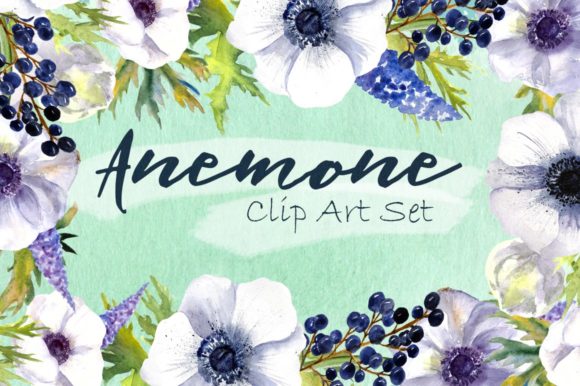
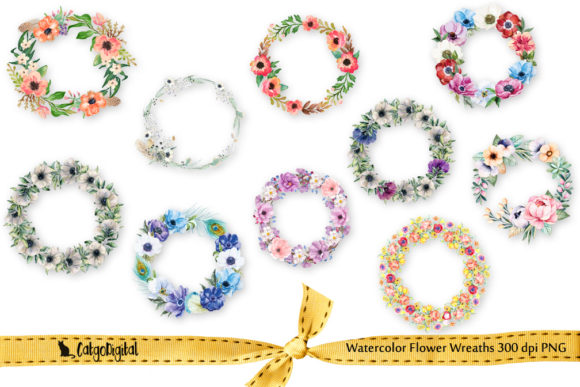
The Watercolor Flower Wreaths Clipart stands out because it avoids the rigid, geometric look often found in standard vector packs. Instead, the edges are soft, mimicking the bleed of watercolor paint on paper. For an embroidery file, this suggests a reliance on fill stitch techniques rather than heavy outlines. The layout is circular and balanced, which is excellent for hoop stability. Visually, these designs scream "boutique." They feel like something you would find on a high-end kitchen towel or a personalized baby blanket. The detail level is moderate; there are enough petals and leaves to create texture without becoming so dense that the fabric puckers. If you are an Etsy seller looking for unique design assets that stand out against generic floral patterns, these illustrations offer a distinct visual personality.
Real-World Application: A Custom Tote Bag Scenario
Let's walk through a practical scenario. Imagine I am preparing a custom embroidered tote bag for a local flower shop owner who wants a limited-run merchandise line. I choose one of the larger wreaths from the Watercolor Flower Wreaths Clipart collection. My goal is to place this design on a sturdy cotton canvas tote. Because the design features soft gradients implied by the watercolor style, I know I cannot simply use a single color of thread. To achieve that artistic look, I would need to plan a complex thread color palette, perhaps using 8 to 10 different shades of pink, green, and cream to mimic the blending effect.
In this context, the machine embroidery design becomes a tool for storytelling. The finished product isn't just a bag with flowers; it feels like a piece of wearable art. Customers buying this tote bag expect a premium feel. If the stitching is clean and the colors blend well, the perceived value of the handmade product skyrockets. However, if the stitch density is too high, the canvas might become stiff and uncomfortable to carry. This is why testing the design on scrap fabric first is non-negotiable. You must ensure the stabilizer supports the weight of the fill stitch without distorting the natural drape of the tote bag.
Navigating Fabric Challenges and Stitch Density
While these wreaths look beautiful on a mockup, their performance varies significantly depending on the substrate. The soft, flowing lines of the Watercolor Flower Wreaths Clipart can be tricky on textured fabrics like denim or heavy wool. On such surfaces, the fine details of the petals might get lost in the weave. Conversely, on smooth fabrics like linen or light cotton, the design shines. One area requiring careful attention is the stitch density. Watercolor effects rely on layering, which increases the number of stitches. If you attempt to stitch this design on a stretchy fabric like jersey knit for a sweatshirt embroidery project, you risk significant distortion. The tension required to hold those layers of thread could cause the fabric to ripple around the hoop size limits.
Furthermore, consider the background color. These illustrations were likely designed with white or light backgrounds in mind. Using them on dark fabric requires a significant adjustment. You will need to add a layer of underlay or a backing satin stitch to prevent the dark fabric from showing through the gaps in the fill stitch. Without proper planning, the delicate nature of the watercolor style could turn muddy on black or navy apparel. Always test the design in black and white mockups first to gauge contrast before committing to expensive thread and fabric.
Best Use Cases for Small Business Owners
- Baby Embroidery: The soft aesthetics make these perfect for nursery decor, receiving blankets, and onesies. Parents love gentle, nature-inspired themes for their newborns.
- Holiday Gifts: These wreaths are versatile enough for spring weddings or autumn harvest gifts. A personalized pillow cover featuring this clipart makes an elegant housewarming present.
- Apparel Decorators: Ideal for aprons, tea towels, and lightweight summer dresses where the fabric can support the stitch count without becoming too heavy.
- Digital Product Sellers: If you sell printable mockups or digital files, these illustrations serve as excellent examples of how to present embroidery possibilities to clients.
Critical Considerations for Commercial Success
Before you list a finished product on your shop, you must verify the licensing terms associated with the Watercolor Flower Wreaths Clipart. Not all Illustrations allow for unlimited commercial use. Some may restrict the number of items you can sell or require attribution. As a professional, protecting your craft business means ensuring you have the right to sell the final embroidered patch or garment. Additionally, think about the longevity of the product. Designs with very fine running stitches or tiny lettering within the wreath may wear down faster after frequent washing. If you are creating a product meant to last, like a family heirloom quilt or a daily-use apron, reinforce the critical areas with appropriate stabilizer.
Designer Tips for Optimal Results
- Check Hoop Size Compatibility: Ensure the wreath fits comfortably within your hoop without stretching the fabric to the extreme edges, which causes uneven tension.
- Review Thread Colors: Select threads that match the gradient flow of the original illustration to maintain the watercolor illusion.
- Test on Scrap Fabric: Never skip the test run. Check for puckering, skipped stitches, or excessive density that might damage the fabric texture.
- Use Proper Stabilizer: For fill-heavy designs, a tear-away or cut-away stabilizer is essential to keep the design flat and durable.
- Inspect Small Details: Zoom in on the smallest leaves and petals to ensure they will translate clearly when stitched.
Ultimately, the Watercolor Flower Wreaths Clipart offers a sophisticated option for designers willing to put in the extra effort to master the technical side of digitizing and stitching. It elevates a simple craft project into a boutique-quality item. Whether you are creating a personalized gift for a friend or stocking shelves for your small shop product line, these designs have the potential to build customer trust and brand consistency. Just remember that the beauty of the illustration is only half the battle; the skill lies in executing it correctly on fabric. With the right preparation, stabilizer choice, and attention to stitch density, you can transform these digital assets into stunning, tangible works of art that your customers will cherish.