Watercolor Anemone Flowers Clipart Review
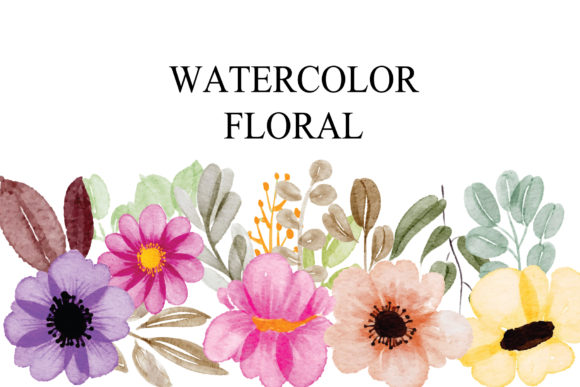
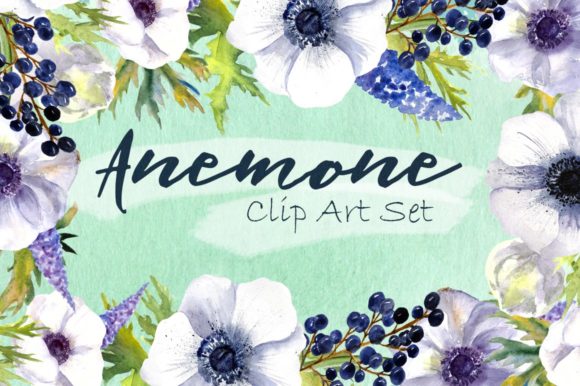
As a designer who has spent years translating digital art into tangible thread, I approach every new asset with a mix of excitement and skepticism. When I first opened the Watercolor Anemone Flowers Clipart file, my immediate reaction was one of aesthetic appreciation. The soft, bleeding edges of the petals and the delicate center details scream "spring" and "softness." However, beauty in an Illustrations category is not enough for embroidery. The real test begins when you consider how this design will translate from a pixel-perfect screen to a hoop full of fabric and thread.
The Mood and Visual Personality
This design carries a distinct mood: ethereal, gentle, and organic. Unlike rigid vector line art that often translates easily into satin stitches, watercolor styles rely on gradients and texture. In a standard machine embroidery design, achieving that true watercolor look requires specific techniques. You cannot simply fill the shape with a solid color; it needs to breathe. The layout of the anemones suggests movement, making them ideal for designs that need to feel fluid rather than static. If you are looking for a bold, graphic statement, this might not be your go-to. But if you are aiming for a romantic, handcrafted vibe, the visual personality of these flowers fits perfectly.
A Real-World Scenario: The Custom Tote Bag
Let me walk you through a recent project idea where I considered using this clipart. I was planning a limited run of canvas tote bags for a local boutique client. The goal was to create a product that felt premium yet accessible. I envisioned the Watercolor Anemone Flowers Clipart placed on the side of a natural, unbleached canvas bag. The thought process involved visualizing the contrast between the white canvas and the soft pastels of the flower petals.
In this scenario, the design would serve as the focal point of the tote bag design. Because canvas has a slightly textured weave, the soft edges of the watercolor style would actually blend beautifully with the fabric grain, hiding some of the harsh lines that sometimes appear in machine stitching. Customers buying this as a personalized gift or a daily carry-all would likely appreciate the artistic touch. It elevates a simple utility item into a piece of wearable art. However, I immediately started thinking about the execution. Would the delicate centers hold up? Would the colors bleed too much visually?
Navigating Fabric and Stitch Challenges
While the concept is strong, practical application requires caution. This is where many Etsy sellers and small shop owners stumble. Watercolor effects in embroidery often rely on varying stitch density to mimic transparency. On a smooth cotton shirt, this works well. But if you try to use this embroidery file on stretchy fabric like jersey knit, the distortion can ruin the delicate balance of the petals. The fabric might pull during stitching, causing the soft edges to look jagged or uneven.
Similarly, dark fabrics present a significant challenge. To make light-colored watercolor flowers pop on black denim or navy sweatshirts, you typically need an underlay. Without a proper backing or stabilizer, the thread coverage might be spotty, leaving the dark fabric visible through the lighter fill stitches. This creates a muddy look rather than a vibrant one. For sweatshirt embroidery, I would recommend testing the design on a scrap piece of the actual garment first. Check how the thread colors interact with the fabric dye. Sometimes, what looks bright on a monitor appears dull against a heathered grey background.
Where to Use Carefully
There are specific scenarios where the Watercolor Anemone Flowers Clipart requires extra attention:
- Small Hoop Sizes: If you shrink this design to fit a 4x4 inch hoop, the fine details of the anemone centers may disappear. They could turn into a blob of thread, losing the watercolor nuance entirely.
- Textured Fabrics: Thick towels or heavy blankets might absorb too much thread tension, distorting the soft curves of the petals.
- Curved Surfaces: Placing this on a cap or a sleeve is risky. The curvature can cause puckering, which is especially noticeable in large fill areas typical of floral designs.
- Dense Stitch Areas: If you combine this with other dense elements, the overall thickness might become uncomfortable for the wearer, particularly on baby clothes or aprons.
Enhancing Product Value and Trust
When executed correctly, this design significantly boosts the perceived value of a handmade product. A customer looking at a finished embroidered patch or a pillow cover sees more than just thread; they see craftsmanship. The complexity of replicating a watercolor effect signals that time and skill went into the creation. This builds customer trust and encourages higher engagement on platforms like Etsy or Instagram.
For commercial embroidery projects, consistency is key. If you are branding a boutique line, the finished product must look the same on every item. Variations in stitch placement or color blending can make two identical items look different, which can hurt brand consistency. Therefore, before committing to a bulk order, create a printable mockup and a physical sample. Inspect the sample under different lighting conditions. Does the fill stitch look even? Are there any loose threads in the delicate areas?
Practical Designer Notes for Success
If you decide to move forward with this digital embroidery file, follow these steps to ensure a professional result:
- Test on Scrap Fabric: Never skip this step. Run the design on a piece of the exact fabric you plan to use. Check for puckering and thread breaks.
- Review Thread Color Contrast: Ensure the thread colors chosen for the petals provide enough contrast against the background fabric without clashing.
- Confirm Hoop Size: Make sure the design fits comfortably within your hoop with room for the stabilizer. Do not force a large design into a small hoop.
- Inspect Small Details: Zoom in on the centers of the flowers. Are they too tiny to stitch accurately? If so, consider simplifying the design or increasing the scale.
- Use Proper Stabilizer: For watercolor effects, a cutaway stabilizer is often better than tear-away, as it provides long-term support for the fill stitches.
- Check Licensing: Before selling finished products or offering this as a digital product, confirm the licensing terms. Some design assets allow personal use only, while others permit commercial sales.
Final Thoughts on Versatility
The Watercolor Anemone Flowers Clipart is a versatile asset that bridges the gap between digital illustration and tactile craft. It is perfect for holiday gifts, nursery decor, and personalized apparel where a soft, artistic touch is desired. However, its success depends entirely on the designer's ability to adapt it to the medium. It is not a "load and shoot" design; it requires thoughtful consideration of fabric, stabilizer, and scale.
For the craft business owner or the hobbyist looking to elevate their work, this design offers a unique opportunity to stand out. By understanding the limitations and leveraging the strengths of the watercolor style, you can create custom apparel and home goods that feel truly special. Whether you are making a single baby embroidery item or launching a new line of small shop merchandise, taking the time to test and refine will pay off in the quality of your final output. Remember, the best embroidery doesn't just sit on the fabric; it becomes part of the story of the garment itself.