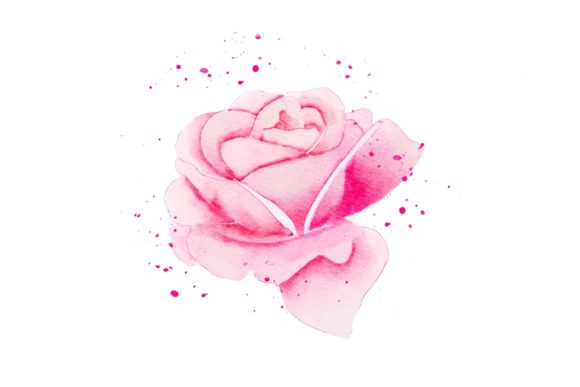
Pink Rose Realistic Watercolor PNG Review
As a designer who has spent years translating digital art into tangible thread, I approach every new asset with a critical eye. When I first opened the Pink Rose Realistic Watercolor PNG, my immediate reaction was one of aesthetic appreciation followed by a practical assessment of its translation to fabric. This piece falls squarely within the Illustrations category, offering a soft, romantic vibe that immediately suggests specific applications for handmade products and custom apparel. However, the leap from a high-resolution screen image to a stitched finished product requires careful consideration of stitch density, color blending, and fabric interaction.
The First Impression: Mood and Visual Personality
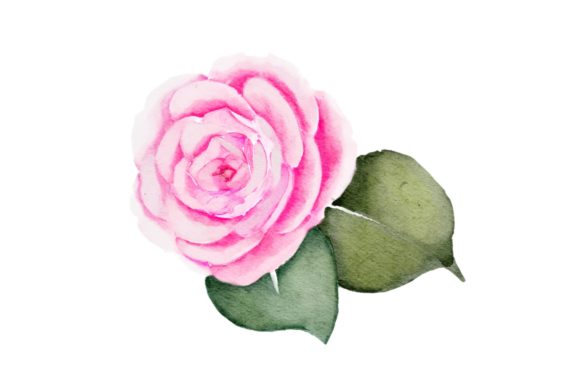
The visual personality of this design is undeniably delicate. The watercolor effect creates a dreamy atmosphere, characterized by soft edges and subtle gradients that mimic the flow of paint on paper. For an embroidery project, this mood is perfect for creating items that feel personal and artisanal. Whether you are planning a baby embroidery set, a wedding guest gift, or a boutique tote bag design, the pink hues evoke warmth and femininity. Unlike rigid geometric patterns, this illustration invites a softer touch in execution. It feels less like a logo and more like a piece of wearable art, which can significantly elevate the perceived value of a small shop product.
However, the "realistic" aspect of the title demands attention. In digital form, the realism comes from pixel blending. In embroidery, we must achieve that same depth using thread colors and specific stitch types. The challenge lies in maintaining the fluid look of watercolor without making the stitches look muddy or overly dense. If executed poorly, the softness could turn into a blurry mess, losing the definition that makes the rose recognizable.
Real-Life Application: A Custom Tote Bag Scenario
Let’s imagine a real-world scenario where I am preparing a custom embroidered tote bag for a local craft fair. The client wants something elegant but durable. I decide to use the Pink Rose Realistic Watercolor PNG as the central motif. My first step is not stitching, but mocking up the design on a printable mockup to see how the scale interacts with the canvas texture of the bag.
When scaling the design, I notice that the intricate petals require sufficient space to breathe. If I shrink it too much to fit a small corner of the bag, the stitch density will become problematic. On a heavy cotton canvas, the fill stitch needed to create the watercolor gradient might pucker the fabric if the stabilizer isn't chosen correctly. Conversely, if the design is too large, the outer edges of the watercolor wash might lose their definition against the background fabric. For a custom apparel item like this, the placement is key. Centering it on the front allows the design to be the hero, while placing it near the bottom hem might risk fraying over time due to the weight of the stitching.
I also consider the customer's perspective. A buyer picking up this tote at a craft fair expects a professional finish. They want to see the transition from light pink to deep magenta rendered clearly through thread, not just as a flat block of color. The success of this embroidery project hinges on whether the machine can replicate those subtle shifts in tone without creating visible gaps or excessive thread buildup.
Navigating Fabric Challenges and Technical Limits
While the Pink Rose Realistic Watercolor PNG is visually stunning, it is not a universal solution for every material. As an experienced reviewer, I must advise caution when using this design on certain substrates. For instance, applying this detailed illustration to a sweatshirt embroidery project requires extra care. The looped texture of fleece or cotton blends can interfere with fine details, potentially causing the soft edges of the watercolor effect to disappear into the fabric pile.
Similarly, working with thin or stretchy fabrics poses a significant risk. The running stitch and satin stitch elements required to define the rose petals need a stable foundation. Without a proper stabilizer, the tension from the needle pulling the thread could distort the shape of the flower or cause the fabric to ripple. This is particularly true for curved surfaces like caps or hats. The organic shape of the rose might warp if forced onto a structured curve, ruining the realistic illusion.
Dark fabrics present another hurdle. The light pink tones in the watercolor wash rely on contrast to be visible. On a black or navy background, you would need to add a backing layer of white or light-colored underlay, which increases the overall thickness and cost of the machine embroidery design. This added complexity might make the design less suitable for quick-turnaround orders or budget-friendly personalized gifts.
Enhancing Product Value and Brand Consistency
Despite these technical challenges, the potential for brand elevation is high. For an Etsy seller or a creative entrepreneur, using a unique illustration like this can differentiate your handmade product from mass-produced competitors. The artistic nature of the watercolor style suggests a level of craftsmanship that customers are willing to pay a premium for. It signals that the item is curated and designed with intent, rather than just stamped out by a generic template.
When used correctly, this design enhances customer trust and engagement. A well-executed embroidered patch featuring this rose can serve as a high-quality accessory for jackets or denim vests, adding a touch of sophistication. For nursery decor or pillow covers, the soft aesthetic aligns perfectly with the calming environment parents seek. The key is consistency; if you use this design across multiple items, such as tea towels, aprons, and blankets, it helps build a cohesive craft business identity.
Practical Designer Notes for Success
- Test on Scrap Fabric: Never skip the test run. Stitch the Pink Rose Realistic Watercolor PNG on a scrap piece of the exact fabric you plan to use. Check for puckering, thread breakage, and color accuracy.
- Review Thread Colors: Ensure your thread palette matches the nuances of the watercolor. You may need more shades of pink than you initially think to capture the gradient.
- Confirm Hoop Size: Verify that the design fits comfortably within your hoop without stretching the fabric excessively, which can distort the final shape.
- Inspect Small Details: Zoom in on the file to check if the finest lines will translate well. Sometimes, simplifying tiny details prevents them from becoming invisible threads.
- Use Proper Stabilizer: Invest in a high-quality tear-away or cut-away stabilizer to support the density of the fill stitches, especially on textured fabrics.
- Check Licensing: Before selling any commercial embroidery items or digital files, confirm the licensing terms of the digital embroidery file to ensure you have the right to sell finished goods.
- Compare Light and Dark Backgrounds: Test the design on both light and dark swatches to see how the transparency of the watercolor effect holds up.
In conclusion, the Pink Rose Realistic Watercolor PNG is a powerful asset for designers who understand the nuances of thread and fabric. It is not a "set it and forget it" file; it requires skillful handling to bring out its full potential. By respecting the limitations of the medium and leveraging the design's emotional appeal, you can create holiday embroidery pieces, wedding gifts, and everyday accessories that stand out in a crowded market. With the right preparation and attention to detail, this illustration can become a signature element of your design assets, turning simple fabric into cherished keepsakes.